精密な切断のために作られました:金属、板金など用のプロ用工具
シャープで頑丈。毎日精密な作業を行うプロフェッショナル向けに開発されました。
板金、アルミニウム、繊細な素材など、切断技術では、1回の切断がすべてです。BESSEY は、頑丈な板金用はさみや多用途のコンビはさみ、最大の力を発揮するレバー式モデル、精密なカッターナイフ、扱いやすいマルチツールなど、賢いソリューションをご提供いたします。当社の工具は、過酷な作業場や建設現場での日常的な使用に耐えるよう設計されており、お客様の作業をより簡単、より迅速、より正確にします。
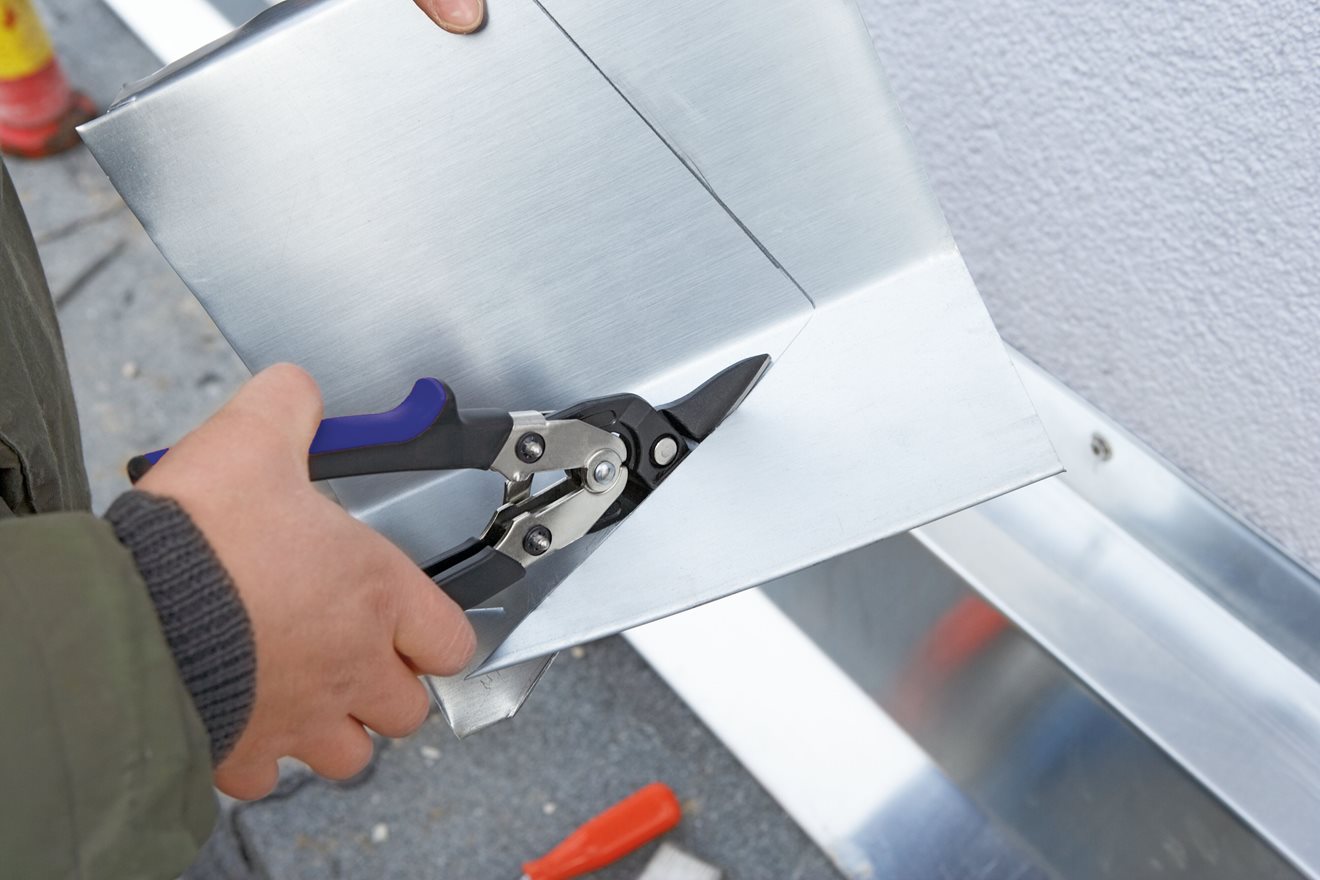
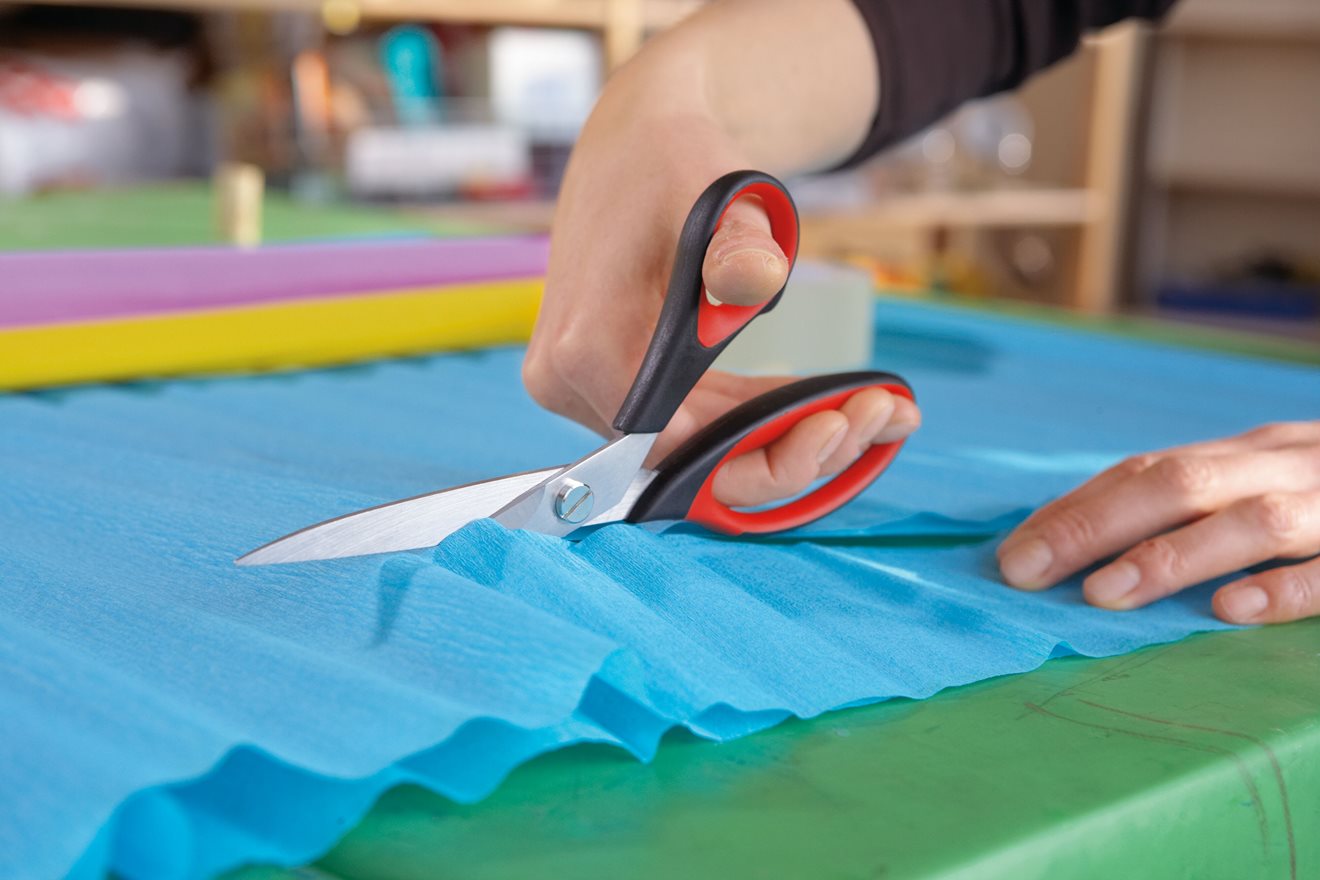
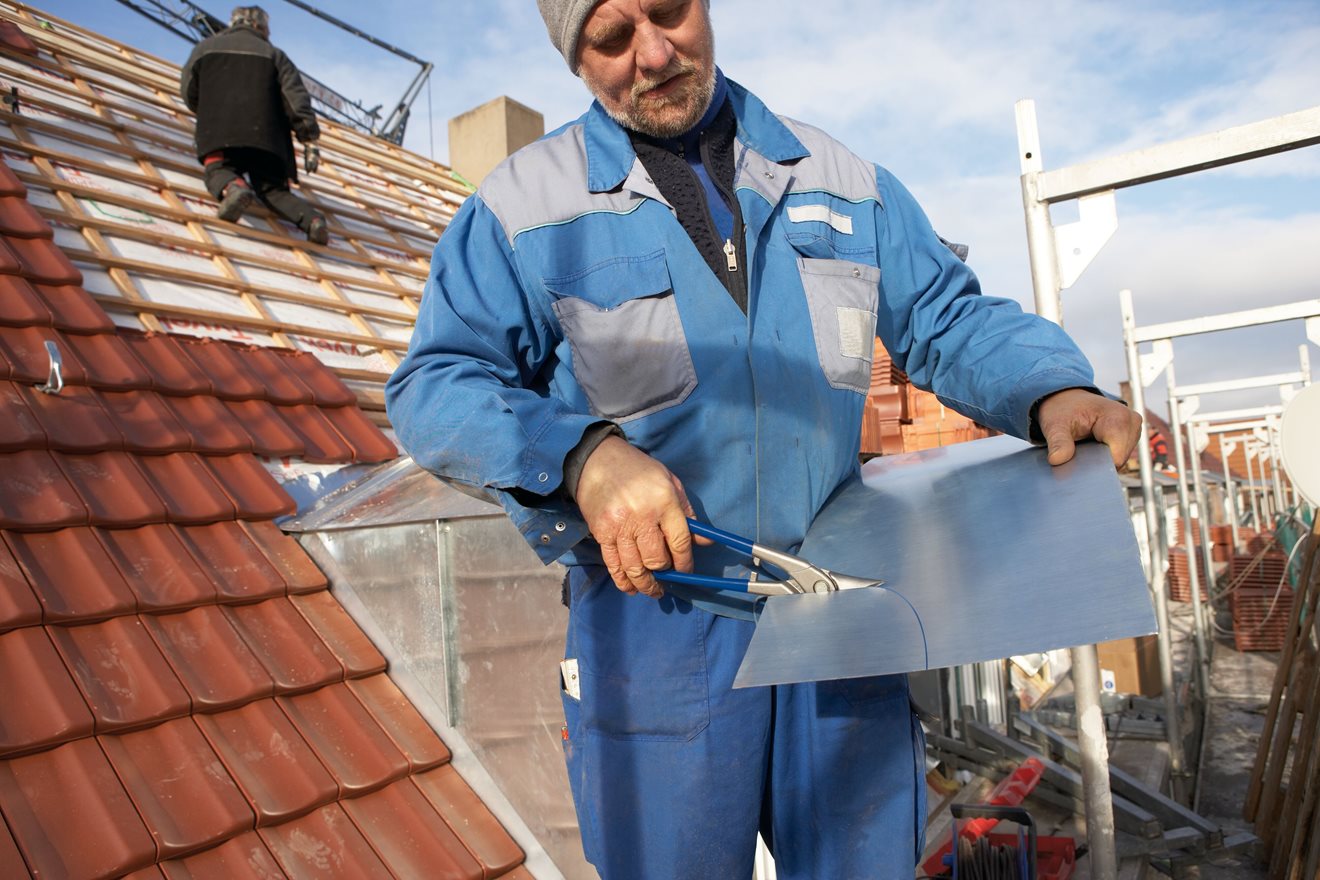
ミリ単位の精度ときれいなカットエッジが求められる切断作業には、BESSEY 製品をご信頼ください。当社の切断工具は、少ない力でも強力な性能を発揮します。金属構造、板金加工の専門家や、家庭での精密な作業に最適です。細部に至るまで考え抜かれた、耐久性に優れた構造で、お客様の要件にぴったり合っています。これにより、効率的で安全、そして期待通りの性能を発揮する、真のプロ仕様の工具を使って作業することができます。
その他の切断技術関連製品
ユーザー様の当社製品に関するご感想

「私は BESSEY の手動ブリキはさみが大好きです!研修以来、他の製品では切断作業をしたくありません。正確で、何よりも手に心地よくフィットします。」
ミッチ・
、配管工

切断技術における有用なツール
切断技術に関するよくあるご質問
一般的な金属用ハサミ では、伝統的に刃と柄が一つの塊として鍛造されています 。切断力は、刃の長さと柄の長さの比率によって決まります。

レバー比を備えた手動板金用はさみは、はさみ頭部とハンドルで構成されています。両部品はそれぞれ可動式に支持されており、これにより追加のレバー比が生まれます。

アイデアルハサミ
このはさみは、その名にふさわしい製品です。なぜなら、アイデアルはさみはまさに「万能」だからです。このはさみを使えば、板を貫通して切断(貫通切断)できるだけでなく、大小さまざまな輪郭や曲線も切断(形状切断)できます。切断作業を板の端(トリミング)で行うか、板の中央で行うかは関係ありません。 もちろん、理想ハサミを使えば、単純な切り欠き作業も行うことができます。
形状用はさみ
形状用はさみは、板金の端部で繊細で狭い半径のカットを行いたい場合に最適です。このはさみの繊細な刃先形状により、非常に狭い形状や曲線を楽にカットすることができます。
スルーシアー
板金の中央や端部を切断したいとお考えですか?それなら、スルーシアーが最適なツールです。このツールの長い刃先により、大きなサイズの板金でも、少ない力で素早く、かつ正確に切断や切り欠きを行うことができます。

1979年に由緒あるDiener Werkzeugfabrik GmbHを買収したことで、BESSEYは製品ラインナップを切断技術分野へと重点的に拡大しました。当時から高品質な板金用ハサミで知られていたErdiブランドは同社に統合され、BESSEY傘下で独立した製品ブランドとして継続されました。 今日、「BESSEY Erdi」という名称は、BESSEYの革新力と品質基準を、Erdiハサミの長年にわたる専門知識と伝統と融合させた、数多くの切断工具を象徴しています。これにより、ユーザーは明確な品質保証と、BESSEY製品ラインナップ全体を通じた一貫したブランドアイデンティティの恩恵を受けることができます。
右利き用ハサミは、右回りの曲線(つまり左から右への弧)を簡単に切れるように研磨・設計されています。右から左への曲線は、左利き用ハサミを使うのが最適です。
右利き用のはさみは右利き用、左利き用のはさみは左利き用であるとよく考えられています。しかし、これは正しくありません。むしろ逆です。 右利きの方が右利き用のはさみで曲線(下図参照、左から右へ)を切る場合、手首から外側に向かって切ることになります。 一方、左利き用のはさみ(曲線は右から左へ)を使用すると、手首から内側に向かって切ることになります。これは、はるかに人間工学的に優れています。
仕上がりに影響を与えるのは、ハサミの品質だけではありません。道具を正しく扱うことも重要です:
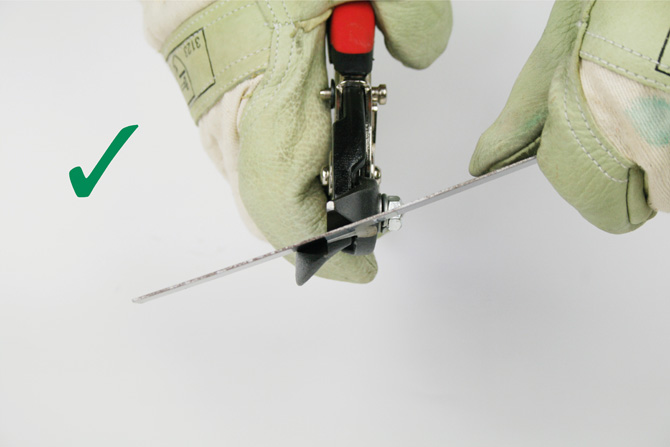
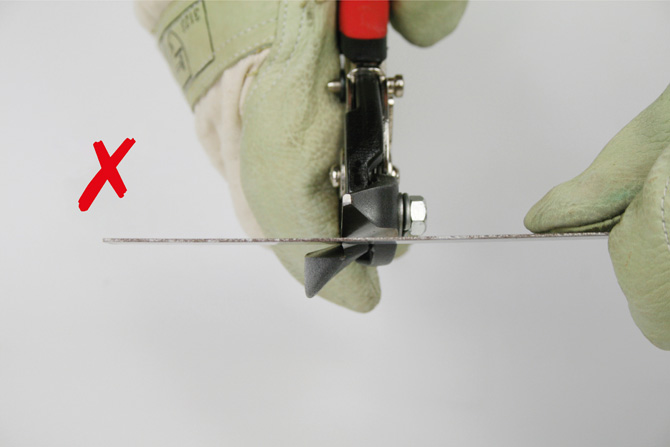
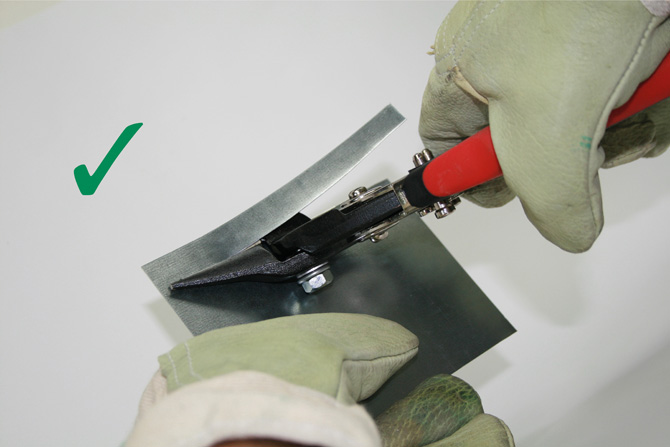
板は切断刃にしっかりと当てなければなりません。そうして初めて、切断半径に基づいた最適な切断面が得られます。切断刃に正しく当てられていないと、板が歪んでしまいます。その結果、より大きな力が必要となり、工具の寿命も短くなってしまいます。
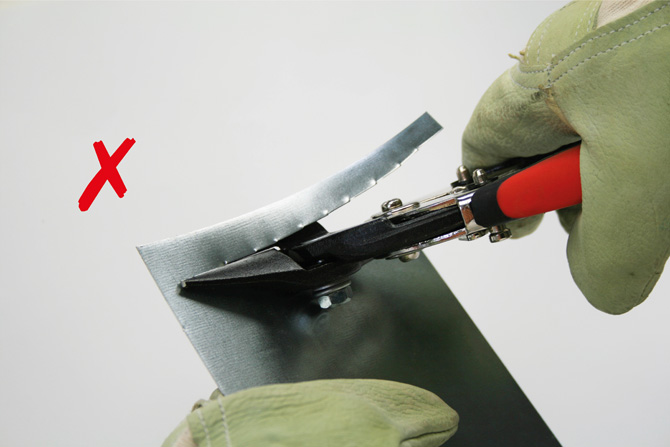
切断の際は、はさみを大きく開き、 板をできるだけ奥まで 押し込みます。切断中は、はさみを完全に閉じないようにしてください。切断長の約4分の3に達した時点で一度はさみを開き、再度閉じます。そうして初めて、バリのない切断面が得られます。はさみを完全に閉じたまま切断すると、切断端に小さな横方向の亀裂が生じます。
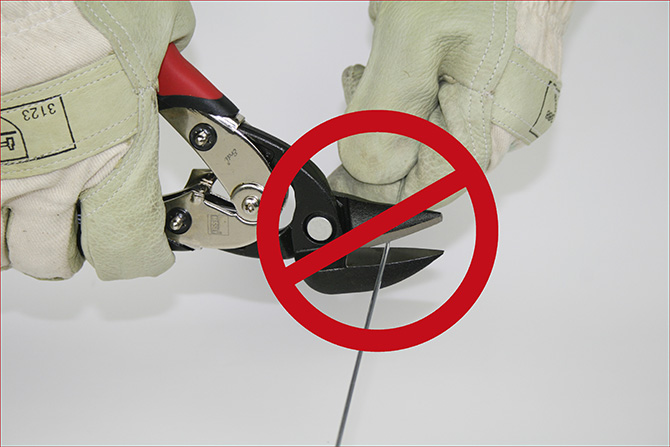
また、手動式板金用ハサミは、軟質金属や鋼製の薄い板の切断にのみ使用することが 重要です。ワイヤーなどの丸型や角型の金属を切断するには適していません。そうすると、刃が欠けてしまう恐れがあるからです。
|
|
|
|
|
|
|
|
手動で鋼板を切断するのに十分な力が得られない場合、その原因は2つ考えられます。刃が単に鈍っているか、あるいは鋼板が厚すぎる可能性があります。 手動の鋼板用ハサミを使用する際は、 厚さが1.2~1.9mmまでの鋼板のみを切断するように注意する必要があります。 ただし、これは常に鋼板の種類や刃の品質によって 異なります 。