정밀 절단을 위한 전문 도구: 금속, 판금 및 기타 재질을 위한 프로페셔널 도구
날카롭다. 견고하다. 매일 정밀하게 작업하는 전문가들을 위해 개발되었습니다.
금속판, 알루미늄 또는 정밀 소재 – 절단 기술에서는 모든 절단이 중요합니다. BESSEY는 이를 위한 스마트한 솔루션을 제공합니다: 견고한 금속 가위와 다용도 콤비 가위부터 최대 힘을 위한 레버 변속 모델, 정밀 커터 나이프와 휴대하기 편한 멀티툴까지. 당사의 공구는 가혹한 작업장 및 건설 현장의 일상 작업을 위해 설계되어 작업을 더 쉽고, 빠르고, 정확하게 만들어 줍니다.
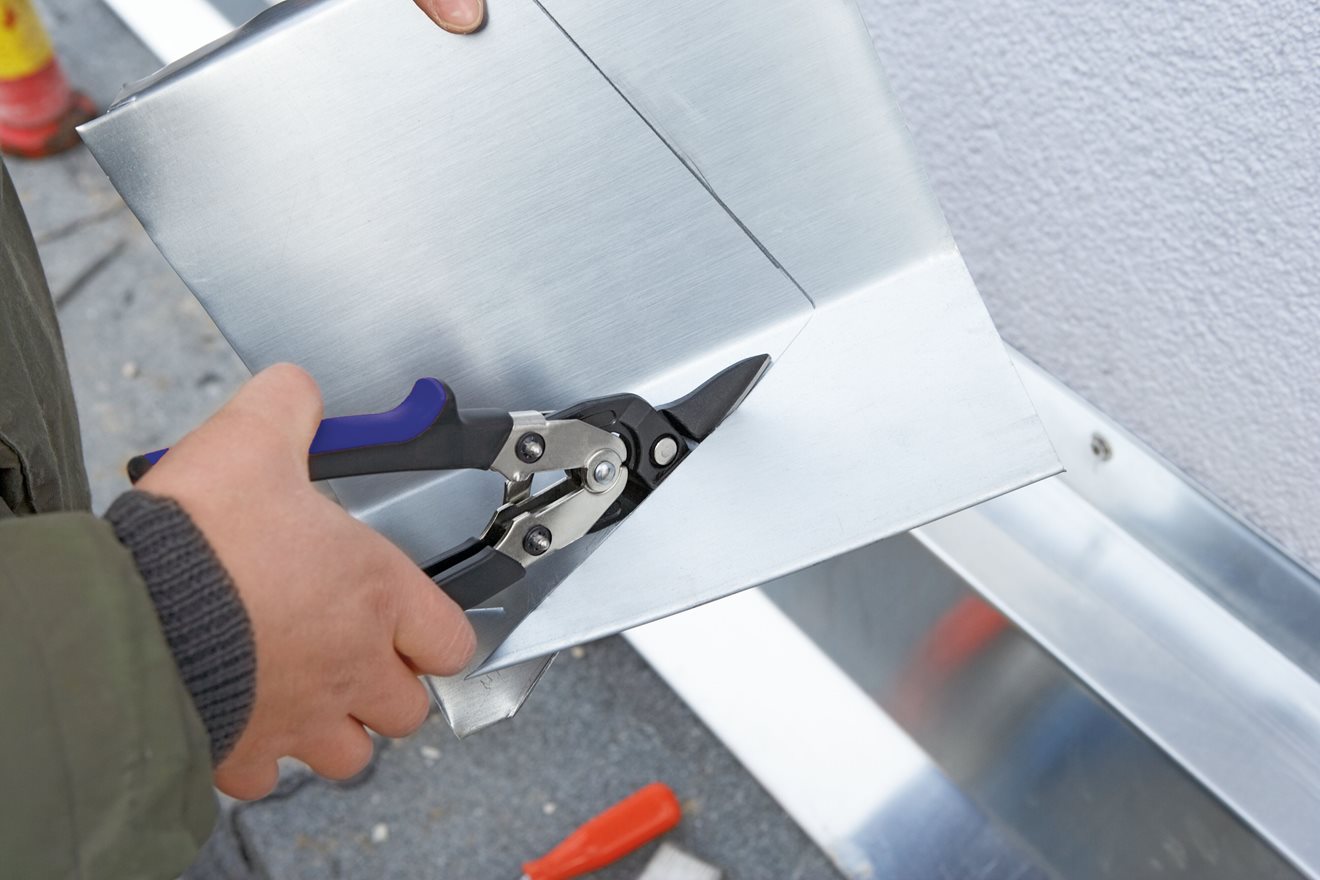
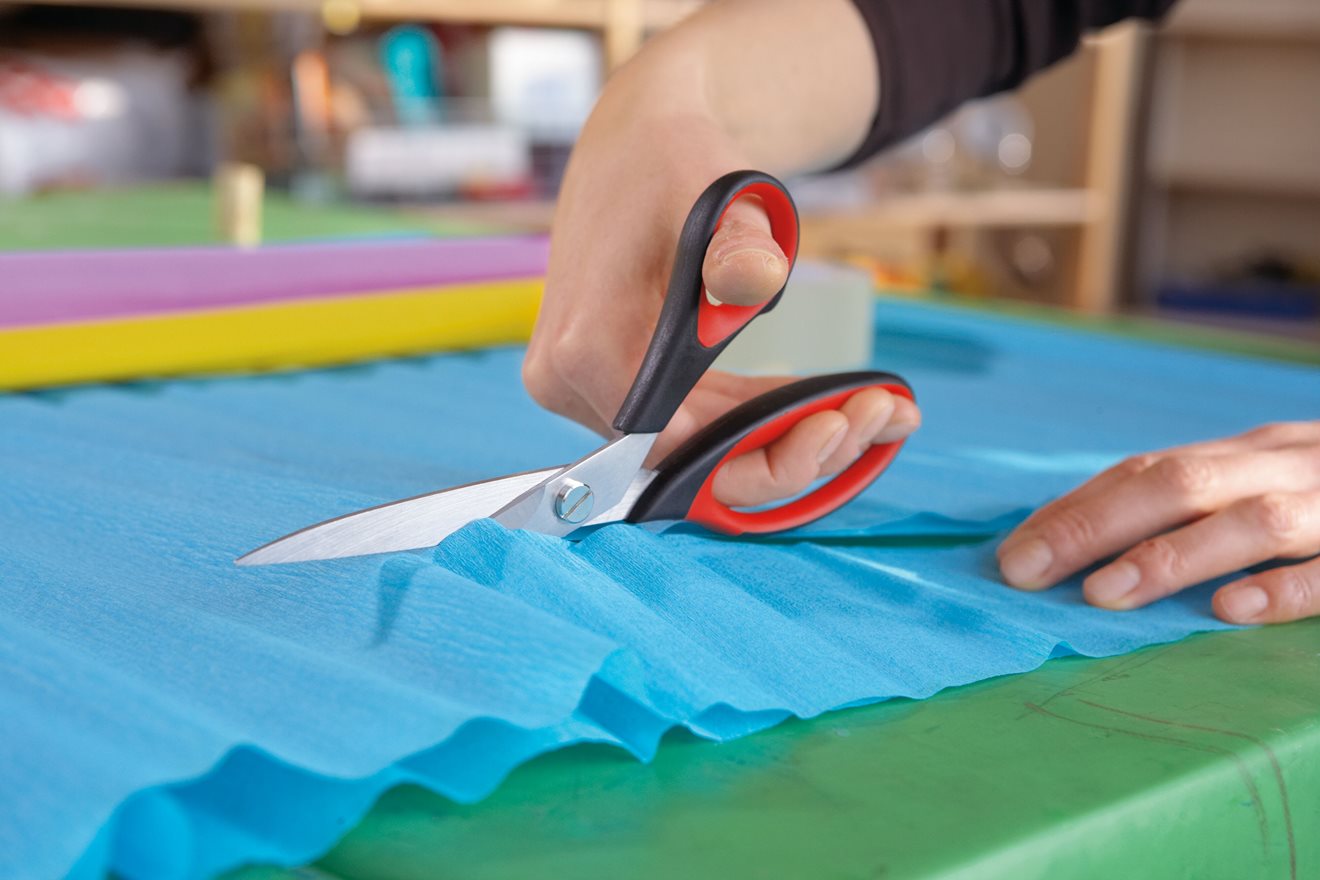
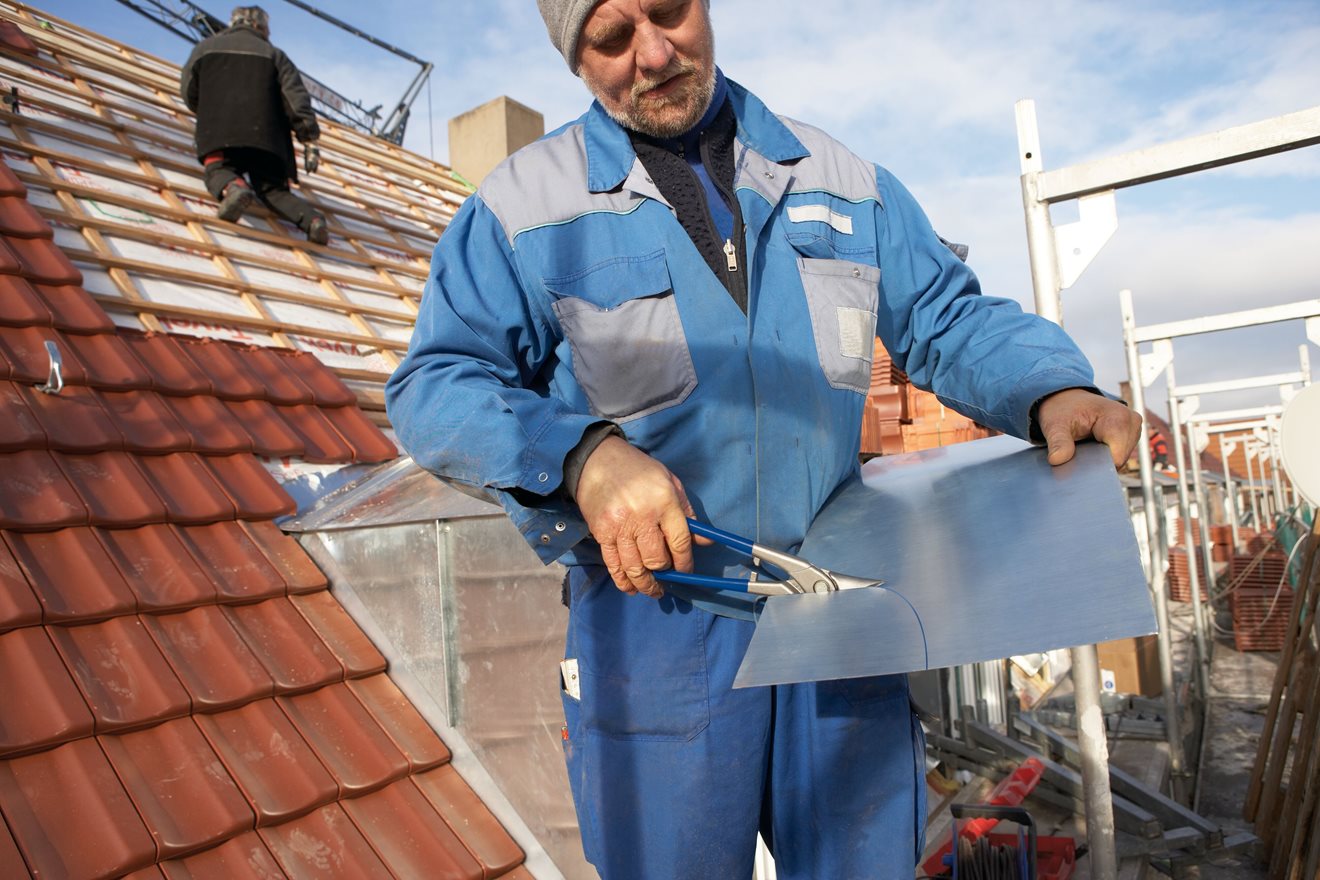
밀리미터 단위의 정밀한 절단 결과와 깔끔한 절단면을 원한다면 BESSEY를 믿으세요. 저희 절단 도구는 적은 힘으로도 강력한 성능을 발휘하여 금속 구조물 제작, 배관공 작업 또는 가정 내 정밀 작업에 이상적입니다. 세심한 디테일로 설계되고 내구성이 뛰어나며 사용자의 요구에 완벽하게 부합합니다. 이를 통해 약속한 성능을 발휘하는 진정한 전문 공구로 더 효율적이고 안전하게 작업할 수 있습니다.
절단 기술의 추가 제품군
사용자들이 우리 제품에 대해 말하는 것

„저는 BESSEY의 수동 금속 가위를 사랑합니다! 견습 시절 이후로 다른 도구로는 절단하고 싶지 않아요. 정밀하고 무엇보다도 손에 편안하게 잡힙니다.“
미츠
플라스히너

절단 기술의 유용한 도구
절단 기술에 관한 자주 묻는 질문
일반 금속 가위의 경우, 전통적으로 날과 손잡이가 한 조각으로 단조됩니다 . 절단력은 날의 길이와 손잡이의 길이 비율에 따라 결정됩니다.

레버 전달 원리가 적용된 수동 판금 가위는 가위 헤드와 손잡이로 구성됩니다. 두 부품은 각각 관절로 연결되어 있어 추가적인 레버 전달 효과가 발생합니다.

아이디알 가위
이 가위는 그 이름에 걸맞은 제품입니다. 아이디얼 가위는 진정한 '만능 가위'이기 때문입니다. 이 가위를 사용하면 판금을 관통하여 절단(관통 절단)할 수 있을 뿐만 아니라 크고 작은 윤곽이나 반경도 절단(형상 절단)할 수 있습니다. 이때 판금 가장자리(여분 제거 절단)에서 절단 작업을 하든 판금 중앙에서 하든 상관없습니다. 물론 이데알 가위를 사용하여 간단한 노치 작업도 수행할 수 있습니다.
형상 가위
형상 가위는 판재 가장자리 부근에서 섬세하고 좁은 반경의 절단을 수행하고자 할 때 가장 적합합니다. 이 가위의 정교한 절단 형태 덕분에 매우 좁은 형상이나 곡선을 수월하게 절단할 수 있습니다.
통과 가위
판재의 중앙 및/또는 가장자리 부분을 절단하고 싶으신가요? 그렇다면 직선 가위가 바로 여러분에게 적합한 도구입니다. 이 도구의 긴 절단날을 사용하면 적은 힘으로도 빠르고 정밀하게 대형 판재를 절단하고 노치 가공할 수 있습니다.

1979년 유서 깊은 Diener Werkzeugfabrik GmbH를 인수하면서 BESSEY는 제품 포트폴리오를 절단 기술 분야로 전략적으로 확장했습니다. 당시 이미 고품질 판금 가위로 유명했던 Erdi 브랜드는 회사에 통합되어 BESSEY 산하에서 독립적인 제품 브랜드로 계속 운영되었습니다. 오늘날 'BESSEY Erdi'라는 명칭은 BESSEY의 혁신력과 품질 기준을 Erdi 가위의 오랜 전문성과 전통과 결합한 다양한 절단 공구를 의미합니다. 이를 통해 사용자는 BESSEY 제품군 내에서 확고한 품질 약속과 일관된 브랜드 정체성을 누릴 수 있습니다.
오른손용 가위는 오른쪽 반경(즉, 왼쪽에서 오른쪽으로 굽은 곡선)을 쉽게 자를 수 있도록 날을 갈고 설계되었습니다. 오른쪽에서 왼쪽으로 굽은 곡선을 자를 때는 왼손용 가위를 사용하는 것이 가장 좋습니다.
흔히 오른손용 가위는 오른손잡이, 왼손용 가위는 왼손잡이를 위한 것이라고 생각합니다. 하지만 이는 사실이 아닙니다. 오히려 그 반대입니다. 오른손잡이가 오른손용 가위로 곡선을 자를 때(아래 그림 참조, 왼쪽에서 오른쪽으로), 손목에서 바깥쪽으로 자르는 동작을 하게 됩니다. 반면 왼손용 가위(곡선이 오른쪽에서 왼쪽으로 뻗는 경우)를 사용하면 손목에서 안쪽으로 자르는 동작을 하게 되는데, 이는 훨씬 더 인체공학적으로 효율적입니다.
가위의 품질만이 결과에 영향을 미치는 것은 아닙니다. 도구를 올바르게 다루는 것도 중요합니다:
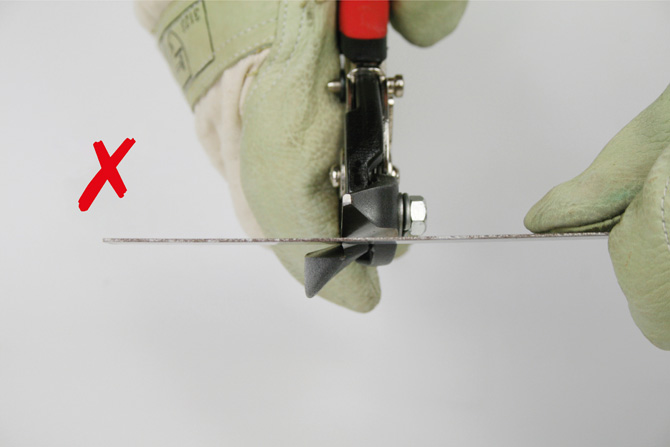
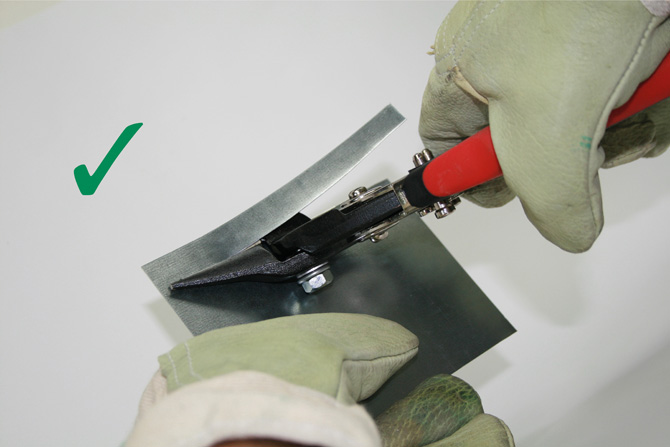
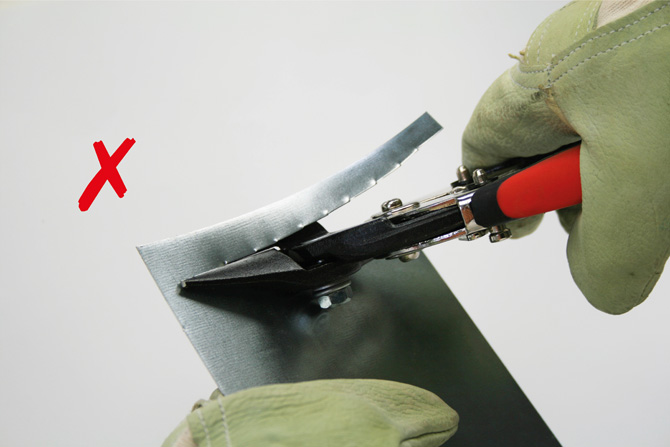
판재를 절단 날에 정확히 올려놓아야 합니다. 그래야만 절단 반경에 따라 최적의 절단면이 만들어집니다. 절단 날에 제대로 올려지지 않으면 판재가 뒤틀리게 됩니다. 그 결과 더 많은 힘이 필요하고 수명이 단축됩니다.
절단 시 가위를 활짝 열고, 판재를 가위 입 안으로 최대한 밀어 넣습니다. 절단 시 가위를 완전히 닫아서는 안 됩니다. 절단 길이의 약 3/4 지점에 도달하면 가위를 열고 다시 닫아야 합니다. 그래야만 버가 없는 절단면을 얻을 수 있습니다. 가위를 완전히 닫은 상태로 절단하면 매번 절단 끝부분에 작은 횡방향 균열이 생깁니다.
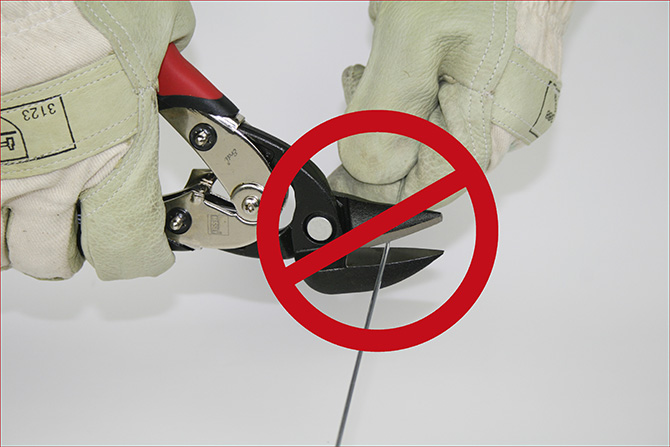
또한 수동 판금 가위는 부드러운 금속이나 강철로 된 얇은 판금을 절단하는 용도로만 사용해야 합니다. 와이어와 같은 둥글거나 각진 금속 형태를 절단하는 데는 적합하지 않으며, 이를 강행할 경우 절삭날이 부러질 수 있습니다.
|
|
|
|
|
|
|
|
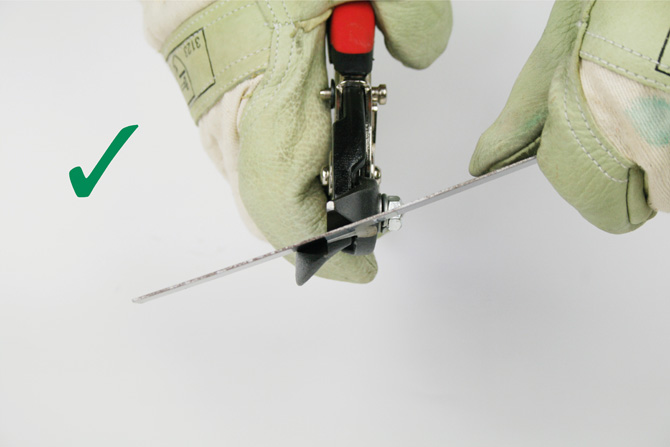
손으로 판재를 자르기에 힘이 부족하다면, 두 가지 이유가 있을 수 있습니다. 칼날이 무뎌졌거나 판재의 두께가 너무 두꺼울 수 있습니다. 손용 판재 가위를 사용할 때는 두께가 1.2~1.9mm인 판재만 절단해야 한다는 점에 유의해야 합니다. 그러나 이는 항상 강판의 종류와 절단날의 품질에 따라 달라집니다 .