Созданы для точной резки: профессиональные инструменты для металла, листа и других материалов
Острый. Прочный. Разработан для профессионалов, которые ежедневно выполняют точные работы.
Будь то листовой металл, алюминий или тонкие материалы — в технологии резки важен каждый разрез. BESSEY предлагает вам для этого инновационные решения: от прочных ножниц по металлу и универсальных комбинированных ножниц до моделей с рычажным механизмом для максимальной силы и точных ножей-резаков и удобных мультиинструментов. Наши инструменты разработаны для тяжелых условий повседневной работы в мастерской и на строительной площадке и делают вашу работу проще, быстрее и точнее.
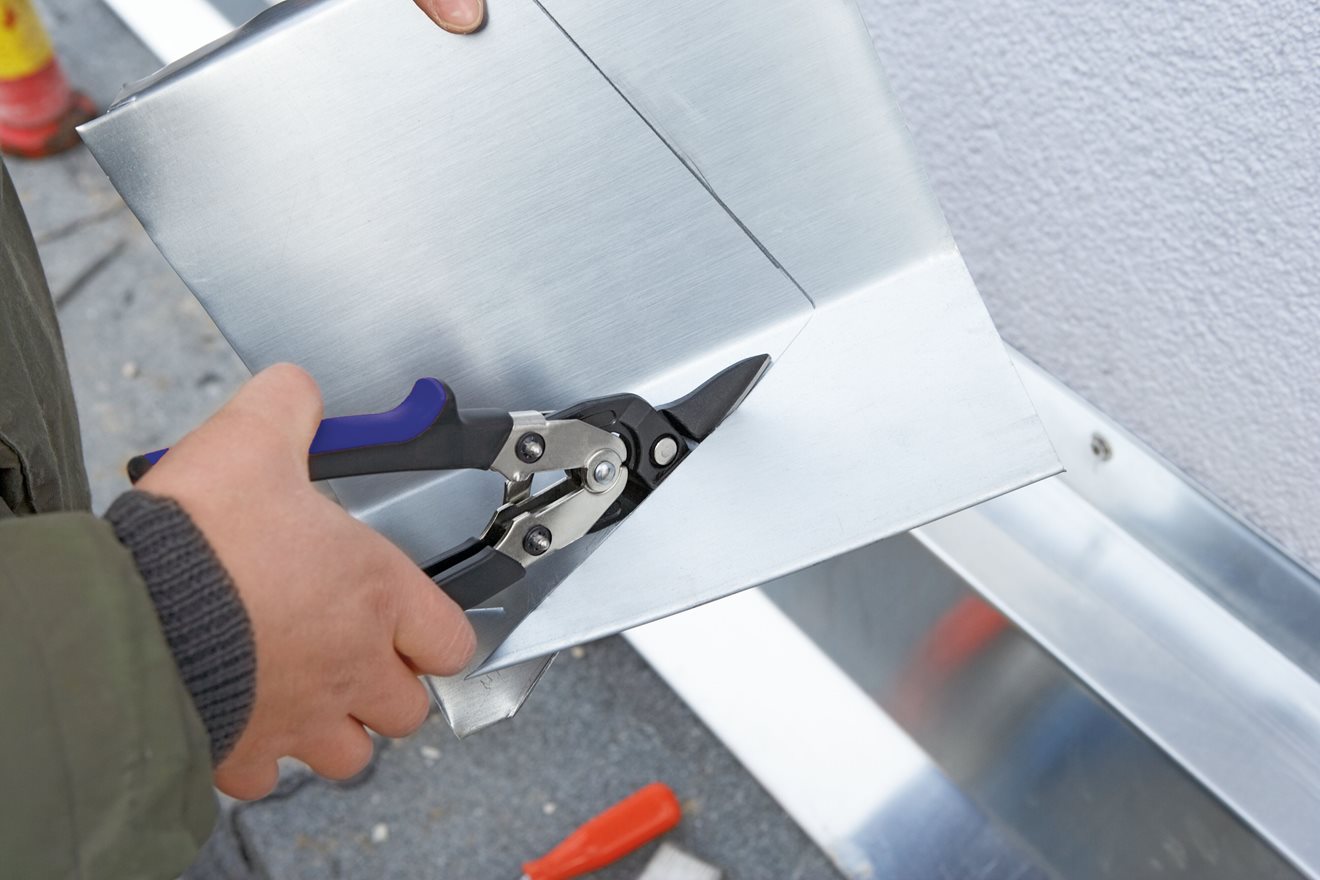
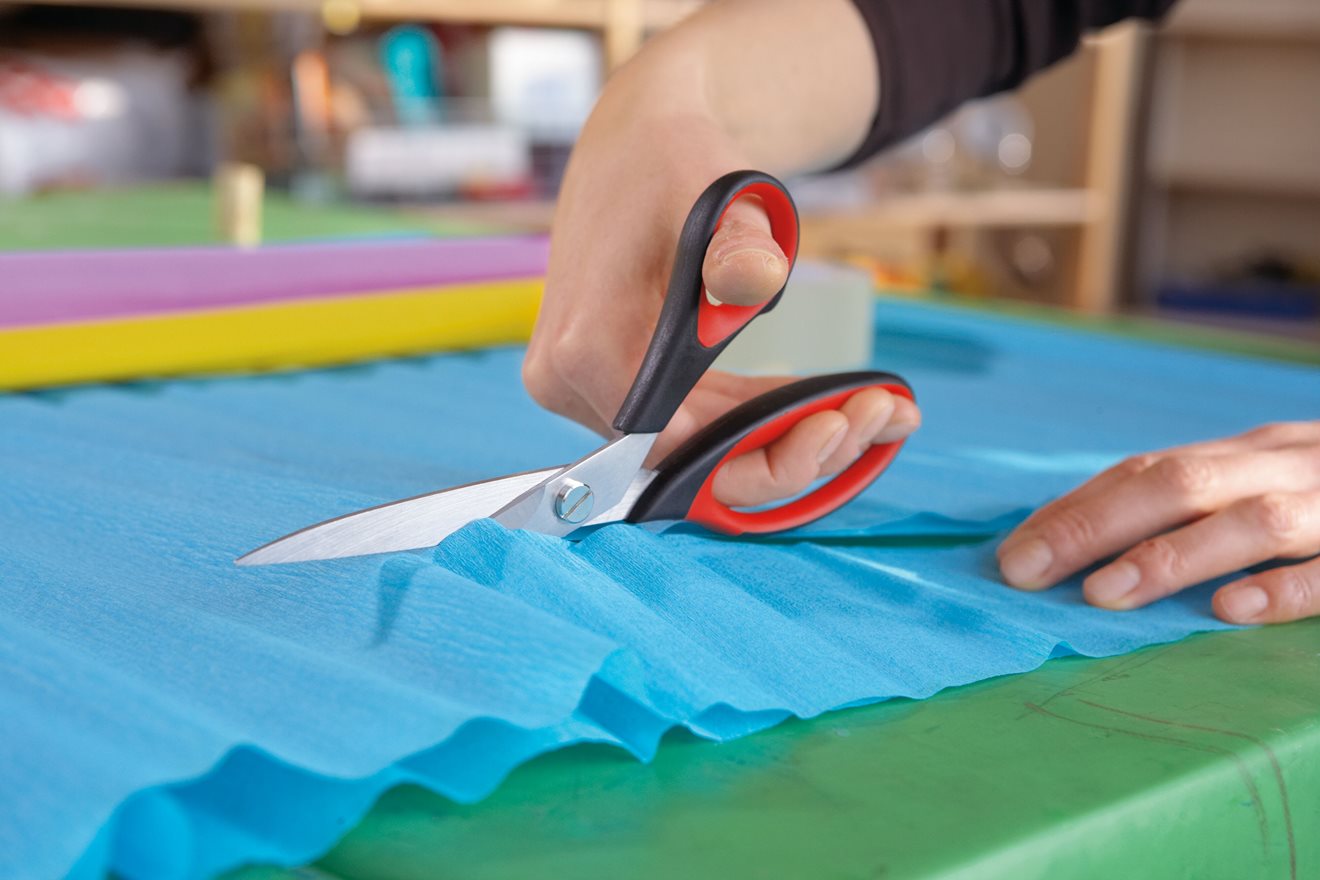
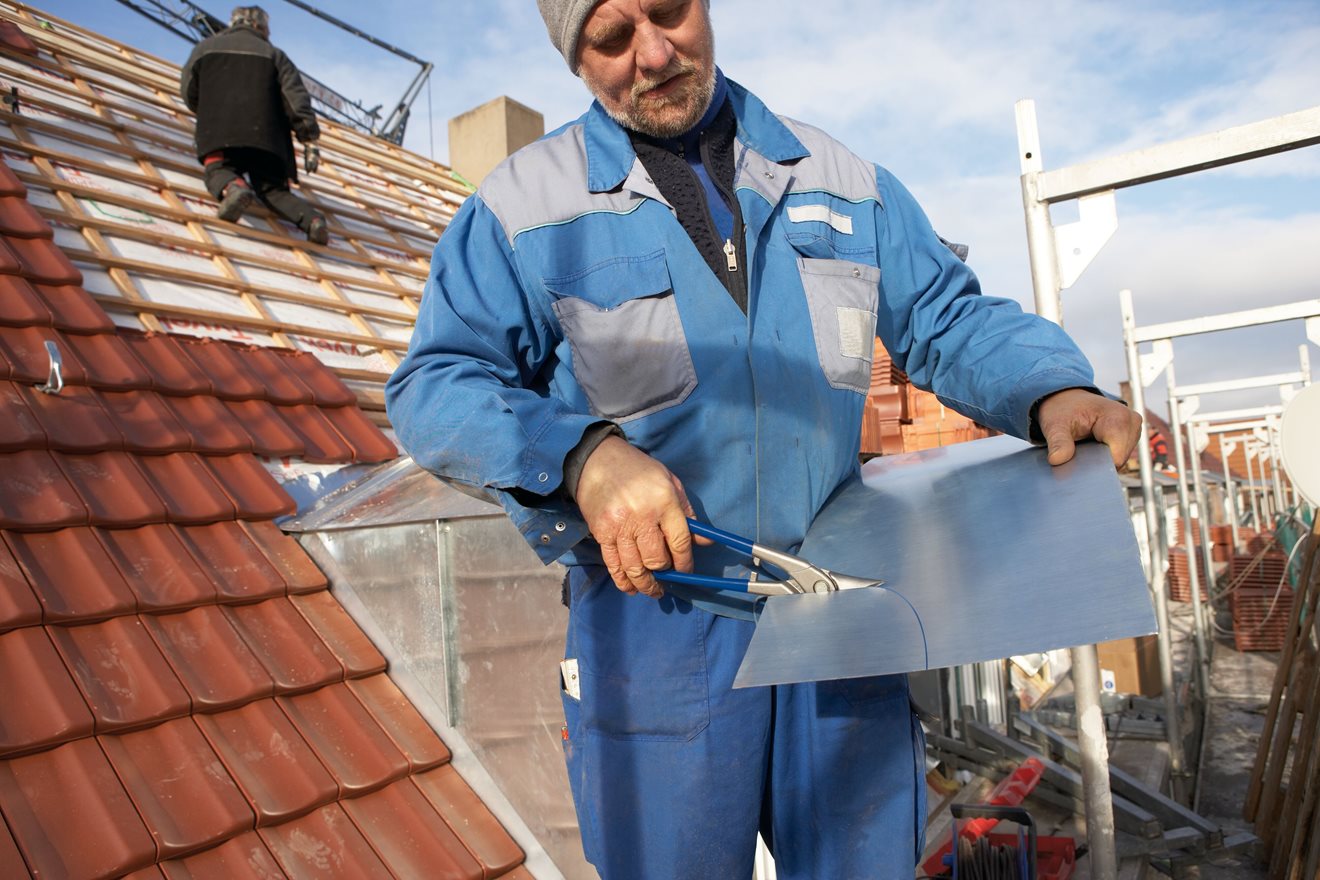
Если при резке важны миллиметровые результаты и чистые края, можно положиться на BESSEY. Наши режущие инструменты обеспечивают высокую производительность при минимальных усилиях — идеально подходят для профессионалов в области металлоконструкций, кузовных работ или для точных работ в быту. Они продуманы до мелочей, имеют прочную конструкцию и идеально соответствуют вашим требованиям. Таким образом, вы работаете более эффективно, безопасно и с настоящими профессиональными инструментами, которые оправдывают ваши ожидания.
Другие ассортименты режущих инструментов
Отзывы пользователей о наших продуктах

«Я высоко ценю ручные ножницы для жести от BESSEY. С момента обучения я не желаю использовать другие инструменты для резки. Они точные и, что особенно важно, удобно лежат в руке».
Митш
, сантехник

Полезный инструмент для резки
Часто задаваемые вопросы о технологии резки
В обычных ножницах для листового металла лезвие и рукоятка традиционно коваются из одного куска. Режущая сила определяется соотношением длины лезвия к длине рукоятки.

Ручные ножницы для листового металла с рычажным механизмом состоят из режущей головки и рукоятки. Обе детали имеют шарнирное соединение, что обеспечивает дополнительный рычажный эффект.

Ножницы «Идеал»
Эти ножницы в полной мере оправдывают свое название. Ведь ножницы «Идеал» — настоящие «универсалы». С их помощью можно прорезать лист насквозь (сквозной рез), а также вырезать большие и малые контуры или радиусы (фигурный рез). При этом не имеет значения, выполняете ли вы резку по краю листа (обрезка) или в середине листа. Конечно, с помощью ножниц «Идеал» вы также можете выполнять простые работы по вырезанию выемок.
Фигурные ножницы
Фигурные ножницы лучше всего подходят для выполнения тонких, узких радиальных разрезов в прикраевой зоне листа. Благодаря филигранной форме лезвий этих ножниц вы можете без труда вырезать чрезвычайно узкие фигуры или кривые.
Проходные ножницы
Вы хотите разрезать лист по середине и/или в прикраевой зоне? Тогда ножницы для продольной резки — это именно то, что вам нужно. Благодаря длинным лезвиям этих инструментов вы сможете быстро, с минимальными усилиями и при этом точно обрезать и вырезать выемки даже в листах большого формата.

С приобретением в 1979 году компании Diener Werkzeugfabrik GmbH, имеющей богатую историю, компания BESSEY целенаправленно расширила свой ассортимент продукции за счет направления режущих инструментов. Бренд Erdi, который уже тогда был известен своими высококачественными ножницами для резки листового металла, был интегрирован в компанию и продолжил свое существование в качестве самостоятельного бренда под эгидой BESSEY. Сегодня название BESSEY Erdi обозначает множество режущих инструментов, которые сочетают в себе инновационный потенциал и стандарты качества BESSEY с многолетним опытом и традициями ножниц Erdi. Таким образом, пользователи получают гарантию высокого качества и единую идентичность бренда в рамках ассортимента BESSEY.
Правые ножницы заточены и сконструированы таким образом, что с их помощью можно легко вырезать правые радиусы (то есть дугу слева направо). Радиусы справа налево лучше всего вырезать левыми ножницами.
Часто считается, что правые ножницы предназначены для правшей, а левые — для левшей. Это неверно. Напротив . Если вы, будучи правшой, вырезаете радиус правыми ножницами (см. ниже, слева направо), вы делаете движение от запястья наружу. С левыми ножницами (радиус тогда справа налево) — движение от запястья внутрь. Что значительно эргономичнее.
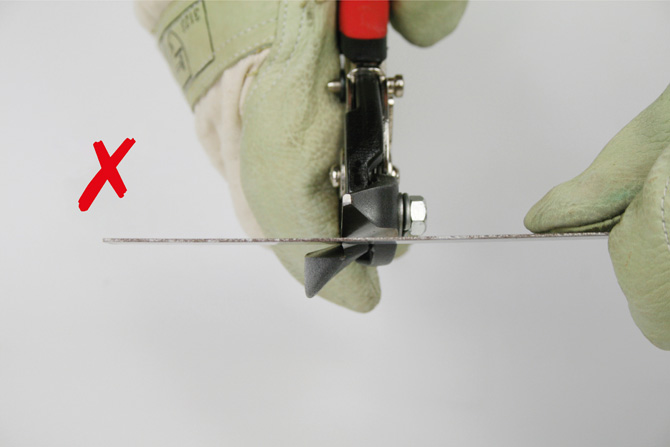
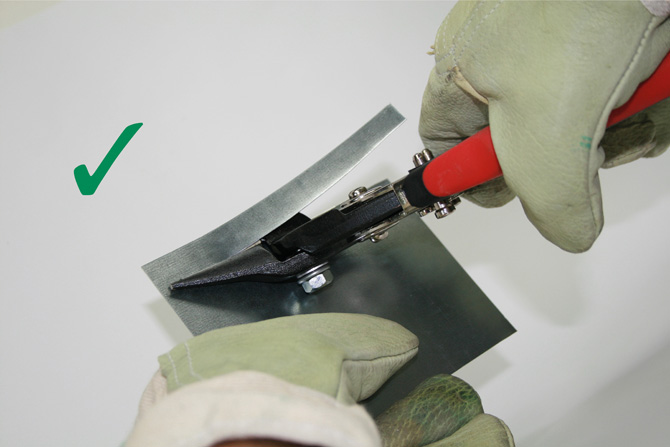
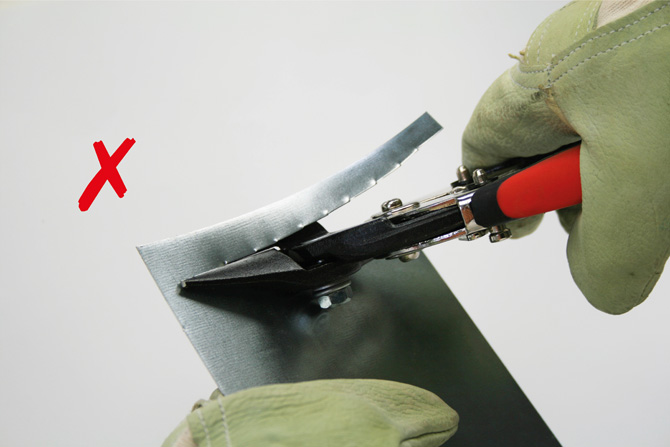
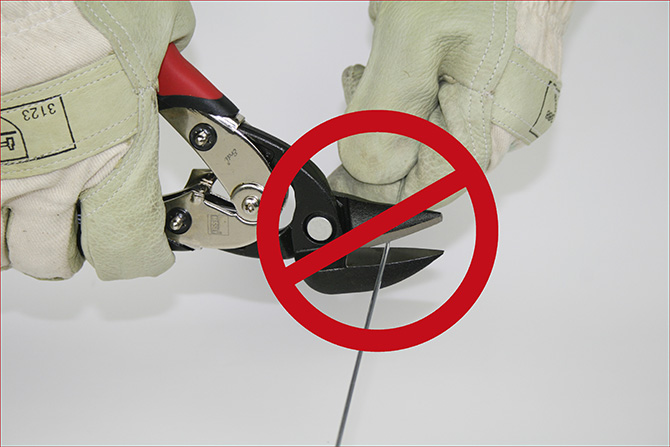
На результат влияет не только качество ножниц. Важно также правильно обращаться с этим инструментом:
Лист необходимо уложить на режущую губку. Только в этом случае благодаря радиусам резания будет достигнут оптимальный результат реза. Если лист не уложен на режущую губку, он деформируется. Следствием этого являются повышенные затраты усилия и сокращение срока службы.
Для резки ножницы широко раскрываются, а лист максимально за двига ется в губки ножниц . Во время резки ножницы не следует закрывать до конца: уже примерно на ¾ длины реза ножницы следует открыть и снова закрыть. Только так можно получить срез без заусенцев. При полном закрытии ножниц при каждом разрезе на конце среза образуются небольшие поперечные трещины.
Кроме того, важно помнить, что ручные ножницы по металлу следует использовать только для резки тонких листов из мягких металлов и стали . Они не подходят для разрезания круглых и угловатых металлических форм, таких как, например, проволока, поскольку это приведет к выламыванию режущих кромок.
|
|
|
|
|
|
|
|
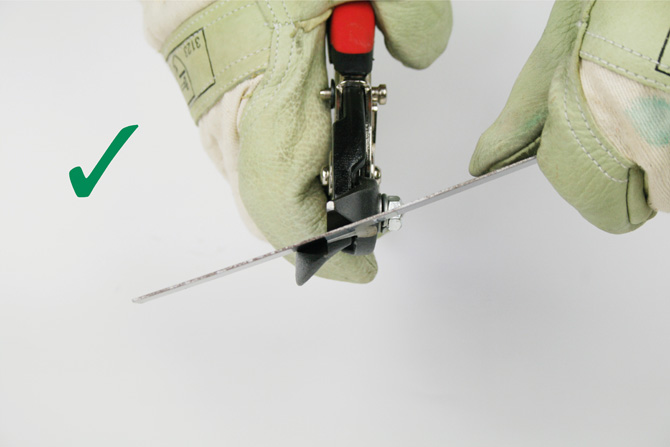
Если ручной силы недостаточно для резки листа, это может быть вызвано двумя причинами: либо лезвия просто затупились, либо лист, возможно, слишком толстый. Ведь при использовании ручных ножниц для резки листа необходимо следить за тем, чтобы резать только листы толщиной от 1,2 до 1,9 мм. Однако это всегда зависит от марки листа, а также от качества режущих кромок.